Some children breeze through a dental cleaning. Others flinch at the sound of the polisher, stiffen when water sprays, or cannot tolerate the taste of prophy paste. Sensitivity takes many forms: aversion to textures, a sensitive gag reflex, heightened anxiety, oral defensiveness, or simply a history of difficult appointments. A gentle approach is not one technique or one instrument. It is a system that starts before the visit is scheduled and continues long after the child leaves the pediatric dental clinic.
As a pediatric dentist, I have learned that comfort is a moving target. What soothed a four‑year‑old last year may not work at six, and a teen with braces brings a new set of triggers. The goal is predictable care with minimal stress, delivered by a pediatric dental specialist who listens as much as they polish. Below is how we get there in real, practical terms.
What “sensitivity” means in pediatric oral care
Parents use the word sensitive to describe many patterns. Clarifying the type helps us choose the right tools and pacing.
Sensory sensitivity refers to over‑or under‑responsiveness to touch, taste, sound, light, or vibration. A child might recoil from the feel of a rubber cup on enamel, dislike mint flavors, or cover their ears when the suction runs. Anxiety sensitivity surfaces as worry, muscle tension, tears, or a refusal to sit back in the chair, sometimes rooted in a previous difficult visit. Physiologic sensitivity includes a strong gag reflex, low pain threshold, mouth breathing, or sore gums from teething or orthodontic changes. Complex sensitivity appears in children with autism, ADHD, or medical needs where transitions, novel routines, or body positioning can overwhelm.
Each sensitivity changes the plan for a pediatric dental cleaning. We adjust timing, flavors, lighting, tools, the order of steps, and how we explain the process. The same child might be fine with scaling but not the polisher, or vice versa. The approach remains flexible.
The foundation: a low‑stimulus environment that still feels friendly
The physical setting matters more than most people realize. A busy pediatric dental office can overwhelm a sensitive child before the hygienist picks up a mirror. Small adjustments reduce sensory load without turning the space into a medical bunker.
We pay attention to ambient noise. Compressors and suction create a hum that stresses some kids. Having a designated quiet operatory away from the sterilization bay makes a difference. Music helps if the child chooses it. Many prefer silence or nature sounds instead of pop playlists.
Lighting is next. Overhead lights with dimmers let us gradually increase brightness. I keep a soft cap or sunglasses ready because glare alone can derail cooperation. The chair feels different to small bodies. A booster, neck roll, or weighted lap pad adds stability and reduces the sensation of falling backward.
Scents matter as much as sounds. Strong disinfectant smells mix poorly with bubblegum paste. Unscented surface cleaners and hypoallergenic gloves reduce odor triggers. For tastes, we stock unflavored prophy paste and neutral fluoride varnish along with fruit options. Mint, a default in adult dentistry, burns for some children.
Even the visuals signal safety. A room overly packed with cartoon murals can bombard attention. Clear surfaces with a few predictable, age‑appropriate items feel calmer. Children who crave predictability benefit from seeing the same setup each visit.
Preparing at home: small practice beats big promises
The first win usually happens in a kitchen, not the pediatric dental practice. Parents who coach with a few targeted exercises make the appointment easier for everyone.
Instead of telling a worried child it will be quick or painless, we encourage short, daily practice with the sensations they will encounter. Use a child’s electric toothbrush on fingernails or the cheek to mimic vibration. Let them hold a straw to feel suction on the tongue while counting to five. Play a “mouth open like a lion” game and practice breathing through the nose. Narrate what you are doing with plain, concrete language. The goal is familiarity, not perfection. Ten days of two‑minute practice outperforms one long rehearsal the night before.
If the child uses a weighted blanket, chewable sensory jewelry, or noise‑reducing headphones, bring them. If they benefit from social stories, ask the pediatric dental care provider for photos of the office and the team. Some parents record a short video of the hygienist greeting the child by name, which helps reduce first‑visit anxiety. Scripting the first minute matters more than posters about brushing.
The appointment structure: gentle dentistry is choreography
The visit begins at scheduling. Sensitive kids do better in the morning when they are not hungry or overstimulated by a full day of activities. We block extra time, often 45 to 60 minutes for a cleaning that might only take 15 to 20 minutes of hands‑on work. The cushion allows pacing and breaks without turning the day’s schedule upside down.
Check‑in should be brief and predictable. Forms can be handled online, so the child spends minimal time in a waiting room. I prefer that the same assistant greets and escorts the child each time. Consistency trims anxiety.
Inside the operatory, we start with a short, positive task. Sometimes it is counting teeth with the mirror or touching the suction to a fingertip. Then we practice “open and rest” as a rhythm, not a command, so the child knows there will be breaks. I avoid promising a specific time because children measure discomfort in seconds, not minutes. Instead we agree on a simple signal, like raising a hand to pause.
Parents often ask whether they should stay. The answer depends on the child. Some work better with a parent in sight, others listen more easily without an audience. A seasoned children dentist will read the room and guide that decision as part of care, not as a test of independence. If a parent stays, we place them behind the child’s shoulder, where the child can sense them but still engage the clinician.
Speak less, say more: language that reduces fear
The words we choose shape the child’s sensory expectations. Vague reassurance rarely helps. Concrete, time‑limited language does.

I avoid medical jargon and avoid euphemisms at the same time. Calling the suction “Mr. Thirsty” can be charming for some, but it confuses others who prefer literal terms. I pick one or two descriptors and repeat them. For example, “This brush feels tickly, not pokey. We will brush five teeth, then rest.” If the child is older or anxious, I add a heads‑up before new sensations. “Noise on, then water, then a quick vacuum. You can breathe through your nose the whole time.”
Some children need to see each tool and try a brief touch before we use it. Others want the tools out of sight to avoid fixating. Respecting those preferences signals control. Over time, just that feeling of control reduces the intensity of sensitivity more than any instrument change.
Scaling, polishing, and flossing, adapted for comfort
The typical sequence for a pediatric dental cleaning involves a dental exam, scaling to remove plaque and calculus, polishing to smooth surfaces and remove stain, flossing, and a fluoride treatment. Each step can be customized.
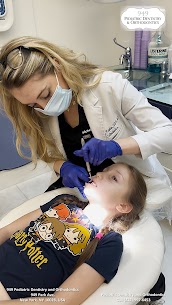
For scaling, hand instruments often work better for sensitive kids than ultrasonic scalers, which buzz and spray. If calculus is minimal, a few strategic strokes around the lower front teeth can replace a full‑mouth scale. I often pre‑rinse with warm water and adjust chair position to reduce pooling near the throat. For a strong gag reflex, turning the head to the side and using a smaller suction tip helps more than any gadget. Short intervals with frequent rests beat an aggressive single run.
Polishing is where many children balk. The rubber cup can feel too scratchy, and flavored paste can overwhelm. Alternatives include a soft prophy brush for the biting surfaces only, a micro‑abrasive polish with less grit, or skipping polish on very clean teeth. If a child has sensory defensiveness, a two‑visit approach works: scale and floss at visit one, polish selectively a week later once trust has deepened. I keep paste warm, not cold, and mix it thin for less drag. Unflavored or mild fruit beats mint for most kids.
Flossing is fast but can be startling if gums are tender. Threading floss under orthodontic wires catches many anxious teens off guard. A pediatric preventive dentist will use waxed floss, go slowly between fewer contacts, and demonstrate with a mirror so the teen can anticipate the next step. For kids with tight contacts or fixed retainers, interproximal brushes sometimes substitute without sacrificing plaque control.
Fluoride application needs care for taste and texture. Varnish sits on teeth after the visit, which bothers some children who dislike film. In those cases, a foam or gel applied in trays for 1 to 4 minutes might work if the gag reflex is mild. When varnish is best for caries risk, we choose a brand with the mildest flavor and explain that “your teeth are wearing a clear raincoat for a few hours.”
Behavior guidance without pressure
Nonpharmacologic behavior techniques shoulder most of the work for sensitive kids. Familiar approaches like tell‑show‑do, distraction, and positive reinforcement remain effective, but the details determine whether they feel respectful.

Tell‑show‑do needs specificity. Show the exact tip of the scaler on a fingernail and let the child feel the pressure for a second. Then do one lower incisor, not a full sextant. Praise should be targeted. “You kept your tongue still for three seconds” is better than “Good job.” Specific praise teaches New York the behavior that made the step possible.
Distraction can be active or passive. Some kids benefit from a tablet mounted above the chair, with the volume set low enough to hear instructions. Others prefer counting along or playing a breath‑hold game for five seconds while water sprays. I use a palm‑up hand on the child’s shoulder or a weighted lap pad for proprioceptive input if the child finds that calming, always with consent.
We also edit the number of choices. Two choices reduce overwhelm: “Grape or plain? Sunglasses on or off?” Open‑ended questions create pressure. The structure must serve the child, not the schedule.
When to use pediatric dental sedation
Sedation is a tool, not a defeat. For some children, particularly those with severe anxiety, strong gag reflexes, or certain developmental conditions, mild to moderate sedation reduces the stress of necessary care. A sedation pediatric dentist will assess medical history, airway risk, BMI, medications, and prior responses to sedatives. We match the level of sedation to the task.
Nitrous oxide is the most common option for a pediatric dental cleaning. It lowers anxiety within minutes, has a pleasant scent if mixed with oxygen properly, and wears off quickly. Children maintain protective reflexes and can communicate. For many, this is enough to complete a cleaning, radiographs, and a fluoride treatment comfortably.
Oral sedation can help when nitrous alone is insufficient. It requires more planning, fasting guidelines, and a careful dosing strategy based on weight and time of day. We use it selectively, especially if restorative work is also planned. Minimal to moderate sedation must be delivered by a certified pediatric dentist with appropriate monitoring equipment, emergency protocols, and an assistant trained in pediatric airway support.
General anesthesia is rarely indicated for a cleaning alone, but if a child needs extensive dental treatment and cannot tolerate any part of a visit awake, a single visit in a hospital or accredited surgical center with a pediatric dental surgeon may be safer and more humane. The decision weighs risks, benefits, and timing. Parents deserve a thorough consultation and a clear plan for maintenance after recovery.
Special considerations for children with autism and other sensory profiles
An experienced pediatric dentist for autism will schedule a longer initial consultation just to map triggers and preferences. Some children need a visual schedule taped to the cabinet with icons for each step. Others function better without visual cues but need deep pressure input before the chair reclines. If a child stims by flapping or humming, we let it happen unless safety is compromised. Removing the behavior without offering a regulation substitute spikes anxiety.
For oral defensiveness, approaches borrowed from feeding therapy help. Starting with firm pressure on the lips and cheeks using a gloved hand, then moving to the tongue with a damp gauze, can desensitize before instruments enter. The first appointment may end after desensitization and a brief exam. That investment pays off at the second visit when a cleaning proceeds with less resistance.
If the child is nonverbal or uses AAC, we prepare vocabulary that matches the visit. Having icons for open, rest, water, vacuum, stop, and finished can transform cooperation. Parents and therapists know what works at home; a family pediatric dentist should ask and adapt.
Radiographs without tears
X‑rays are often tougher than the cleaning for sensitive kids. The sensor feels bulky and sharp, and holding still for the beep builds tension. We tackle this step with the same respect for pacing and choice.
I use smaller sensors, warm them, and wrap them in a thin foam cover for comfort. For a strong gag reflex, I take anterior occlusal films first using a flat film rather than a sensor, then attempt bitewings only if tolerated. Sometimes we rely on clinical exam plus selective films every other visit. Caries risk guides that choice. Parents often worry that fewer X‑rays mean missed cavities. In reality, judicious timing with high‑quality clinical exams balances safety and diagnostic value.
Pain control for sore gums and erupting teeth
Sensitivity sometimes equals pain, especially around erupting molars or inflamed gingiva. A gentle pediatric dentist treats discomfort proactively. We can use a flavored topical anesthetic gel before scaling sensitive areas. Warm water rinses between steps soothe tissue. If bleeding inflames taste aversion, a small dab of Vaseline on the lips prior to polish prevents that metallic taste from lingering. At home, using a soft brush and a non‑foaming toothpaste can decrease sting. For teens with orthodontic appliances, a water flosser on the lowest setting often reduces tenderness before the appointment.
How parents can support the process without pressure
Parents want their child to succeed and often try to cheerlead through hard moments. That enthusiasm sometimes reads as pressure. A few adjustments help.
Choose neutral, specific encouragement over global praise. Instead of “Be brave,” try “You kept your mouth still while the brush tickled. That helped.” Avoid bargaining for favors that set up a bigger pressure cycle next time. A small, predictable reward like a sticker or a new toothbrush is fine, but save big prizes for milestones other than basic hygiene.
Communicate privately with the pediatric dental doctor about triggers and what has worked. Let the team lead the interaction once you are in the room. The goal is for the child to build trust with the clinician, which reduces reliance on parental rescue over time.
Maintenance between visits reduces sensitivity at the chair
Kids who brush well at home tolerate cleanings more easily. Two minutes, twice daily, with a small‑head soft brush and a rice‑grain smear of fluoride toothpaste for toddlers or a pea‑size for children and teens, lowers plaque and tenderness. Flossing a few contacts nightly, even if not every tooth, reduces bleeding and sensation shock during a cleaning. If the child resists mint, there are plenty of unflavored or mild fruit fluoride pastes. An experienced pediatric dentist can recommend brands that avoid sodium lauryl sulfate, which reduces foaming and sting.
Diet matters in concrete ways. Frequent sipping of sweetened drinks or juice increases plaque stickiness, which makes scaling feel rougher. Encourage water between meals, milk at meals, and keep juice to a small cup with food, not a sippy cup that lingers. For children who graze all day, the mouth rarely returns to a neutral pH. Consolidating snacks reduces both cavity risk and the amount of scraping needed later.
Sealants on the chewing surfaces of permanent molars lower the need for aggressive polishing, since pits and grooves stay cleaner. They take a few minutes to place and have no drilling, an easy win for sensitive children. A pediatric preventive dentist will time them when the tooth is fully erupted and dry isolation is possible without stress.
What to expect from a trusted pediatric dental practice
A pediatric dental practice that cares for sensitive children should look and feel organized around their needs. When you search for a pediatric dentist near me, read beyond reviews and look for signs of thoughtful systems.
Ask about scheduling options for quieter hours. Early morning or early afternoon slots often feel calmer than late in the day. Inquire if the practice offers a pre‑visit tour or a virtual walk‑through. Find out what flavors and textures they have for prophy paste and fluoride, and whether unflavored options are available. Ask if the team includes a board certified pediatric dentist and whether assistants are trained in behavior guidance, desensitization techniques, and basic sign language if relevant to your child.
If sedation is a possibility, confirm that the pediatric dental office meets monitoring standards and that emergency protocols are in place. A certified pediatric dentist should review your child’s medical history and discuss risks openly. Office hours matter for working families, but flexibility should not compromise a quiet environment for sensitive kids.
Finally, the best pediatric dentist for your child will articulate a plan after the first visit. That plan might include a short follow‑up for polish only, sealants on a separate day, or a return at three months rather than six until tolerance improves. Short intervals with successes, even partial ones, build momentum.
Case notes from real chairs
A six‑year‑old with a history of gagging struggled with bitewings and polishing. We postponed X‑rays and completed light hand scaling with the head turned left and a small suction placed at the corner of the mouth. We counted to five for each rest and used unflavored paste warmed in a glove. At the second visit, we added one bitewing sensor with a foam cover. By the third visit, we captured both bitewings and finished a full polish because the child trusted the rhythm and the breaks.
An eleven‑year‑old with autism tolerated brushing at home but resisted any vibration in the office. We began with a desensitization visit, no instruments. The next week, we scaled lower anteriors only and skipped polish. Parents practiced with a battery toothbrush on a fingernail for five seconds daily. On the third visit, we polished occlusal surfaces with a soft brush and no paste, then applied fluoride varnish. The child left smiling, not because the sensations disappeared, but because the plan respected his limits.
A teen with braces and mouth breathing hated the suction and felt like she was choking. We sat her more upright, used a saliva ejector that she held herself, and switched to a slower pace. We flossed with a threader only between the most plaque‑retentive contacts and used a water rinse bottle instead of a spray syringe. She handled the entire cleaning without tears and later reported less soreness at home because plaque was better controlled.
Choosing the right partner for your child
Finding a gentle pediatric dentist is not about glossy murals or prize boxes. It is about a repeatable, respectful approach to care. The right kids dentist will ask what your child likes and dislikes, adjust the plan on the fly, and train the entire team to use the same language and cues. They will welcome your input, not treat you as a bystander or a barrier. They will have the range to scale back to a toothbrush and gauze when that is all a child can handle today, and the skill to complete a thorough pediatric dental cleaning when tolerance grows next time.
If you need more than standard cleanings, look for a pediatric dental specialist who offers comprehensive pediatric dental services, from exams and fillings to sealants, crowns, and emergency care, plus options for pediatric dental sedation when appropriate. A practice that handles toddlers, school‑age kids, and teens will recognize developmental shifts and update strategies as your child grows.
Gentle does not mean incomplete. It means intentional. Sensitive kids can learn to accept, even enjoy, their visits when each step respects their senses and their pace. Over months and years, that experience matters as much as fluoride and floss. It builds a habit of care, a sense of mastery, and a mouth that stays healthier with less drama.
A concise prep checklist for parents of sensitive kids
- Schedule a morning appointment and ask for a quiet room with dimmable lights. Practice at home for a week: electric toothbrush vibration on a fingernail, straw suction, and mouth‑open breathing through the nose. Pack comfort items: sunglasses, headphones, weighted lap pad, fidget, or AAC device. Request unflavored prophy paste and mild fluoride varnish; avoid mint if it stings. Agree on a stop signal with your child and share it with the team before the cleaning.
When progress stalls, change one variable at a time
Even with careful planning, a visit can stall. Pushing harder usually backfires. Instead, adjust a single element and reassess. Switch from a rubber cup to a soft brush, or skip polish and focus on scaling. Dim the light, change the chair angle, or replace flavored paste with plain. Try nitrous oxide if anxiety, not sensation, seems to drive resistance. Bring a different caregiver next time if family dynamics add pressure. Track what works in a simple note on your phone so the pediatric dental practice can replicate success.
Over time, those small, deliberate changes build a record of what helps your child feel secure. That record is the backbone of gentle pediatric dentistry. It guides the kids dental specialist in choosing tools and techniques that respect your child’s sensitivities while still delivering thorough pediatric oral care.
The payoff is twofold. Teeth stay cleaner, with fewer cavities and less inflammation. More importantly, your child learns that oral health visits are manageable, sometimes even pleasant. That lesson lasts far beyond childhood and turns a sensitive kid into an adult who keeps showing up for their smile.